



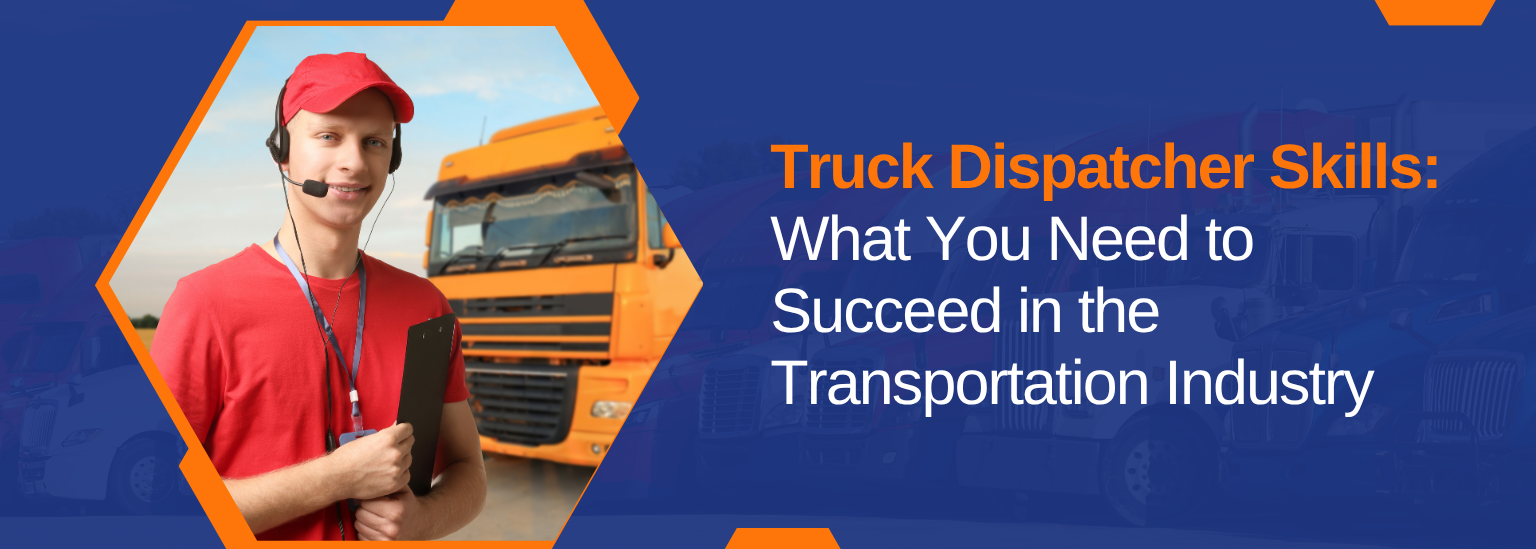
Truck Dispatcher Skills: What You Need to Succeed in the Transportation Industry
- July 13, 2026
- AVAAL Technology Solutions
Key takeaways
- A truck dispatcher is the communication bridge between drivers, customers, brokers, and carriers, responsible for moving freight efficiently and profitably.
- The role demands a specific mix of communication, organization, problem-solving, compliance knowledge, and technology skills.
- Strong dispatchers reduce delays, cut empty miles, raise revenue, and strengthen customer relationships.
- Demand for skilled dispatchers continues to grow as freight volumes rise and operations become more data-driven.
- Structured training shortens the learning curve and makes new dispatchers job-ready faster.
The trucking industry keeps North America moving. Every day, thousands of shipments cross cities, provinces, and states to deliver the goods businesses and consumers depend on. Drivers are the visible face of transportation, but truck dispatchers play an equally vital role behind the scenes, coordinating routes, managing schedules, communicating with drivers, and making sure freight reaches its destination.
As freight volumes grow, demand for skilled dispatchers is rising across the logistics industry. Companies want professionals who can juggle multiple responsibilities, solve problems quickly, and keep operations smooth under pressure.
Whether you are considering a career in freight dispatching or sharpening your existing skills, understanding what makes a successful truck dispatcher helps you stand out. With the right training, industry knowledge, and practical experience, dispatching becomes a rewarding and stable career path.
What Does a Truck Dispatcher Do?
A truck dispatcher is the communication bridge between drivers, customers, brokers, and carriers. The core responsibility is moving freight efficiently from pickup to delivery while maximizing profitability and maintaining compliance.
Truck dispatchers coordinate loads, assign routes, negotiate with brokers, monitor shipment progress, and resolve issues as they arise. They constantly balance customer expectations, driver availability, delivery deadlines, and operating costs.
A strong dispatcher understands both the business and operational sides of trucking, which allows them to make decisions that benefit the carrier while keeping drivers safe and productive.
Why Truck Dispatcher Skills Matter
Dispatching is far more than answering phones and assigning loads. The role demands a rare combination of communication, organization, analytical thinking, and industry knowledge.
A skilled dispatcher reduces delays, improves driver productivity, increases revenue, and strengthens customer relationships. Poor decisions do the opposite: missed deliveries, unhappy customers, wasted fuel, and lost business. As carriers rely more on technology and data, dispatchers with strong professional skills become increasingly valuable.
Read more: Qualities That Make a Good Truck Dispatcher
Essential Truck Dispatcher Skills
Clear and Professional Communication
Communication is the single most important dispatcher skill. Dispatchers deal with drivers, customers, brokers, warehouse staff, and management all day. They must give clear instructions, relay updates, and resolve concerns quickly, because miscommunication causes scheduling conflicts and delivery delays. Reliable, accurate communication also builds trust and stronger working relationships.
Active Listening
Effective communication is more than speaking clearly. Strong dispatchers are excellent listeners. Drivers surface critical information about road conditions, equipment issues, traffic, and customer concerns. A dispatcher who listens closely catches problems early and acts before minor issues become major disruptions.
Organization and Time Management
Transportation operations have many moving parts. A dispatcher may manage several drivers, loads, appointments, and customer requests at once. Strong organization lets them prioritize tasks, maintain accurate records, and keep operations running. Time management is equally critical, since freight runs on strict deadlines and quick decisions keep shipments moving. Carriers value dispatchers who stay organized and accurate under pressure.
Problem-Solving
Unexpected challenges are constant in trucking: weather, traffic, breakdowns, schedule changes, and regulatory issues all disrupt plans. A strong dispatcher stays calm, evaluates options, and implements practical solutions. This ability to think quickly and adapt is what separates experienced dispatchers from those who struggle.
Knowledge of Transportation and Logistics Operations
Understanding how the industry works is essential. Dispatchers must know freight movement, shipping procedures, transportation terminology, and carrier operations. That knowledge improves routing, scheduling, and load planning, and it sharpens communication because everyone speaks the same operational language. Professional dispatcher training programs build this foundation.
Route Planning
Effective route planning lowers fuel costs, improves delivery times, and raises efficiency. Dispatchers weigh distance, road restrictions, weather, traffic patterns, and customer requirements when building routes. Modern software helps, but understanding route optimization principles remains a core skill.
Load Management
Dispatchers match loads with available drivers and equipment, planning carefully to maximize utilization while meeting customer expectations. A well-planned schedule increases profitability and reduces empty miles. Dispatchers who excel here contribute directly to carrier success.
Technology Proficiency
Technology has transformed trucking. Today’s dispatchers use freight management systems, electronic logging devices, GPS tracking, load boards, and communication software daily. Comfort with technology is no longer optional. New dispatchers should build strong computer skills and learn the transportation software used across the industry. Our dispatcher training course includes hands-on exposure to these tools to improve job readiness.
Negotiation and Customer Service
Dispatchers regularly negotiate rates, schedules, and freight opportunities with brokers and customers. Strong negotiators understand market conditions and communicate value professionally, securing profitable loads while keeping relationships positive. Customer service is just as important. Customers expect timely updates and reliable information, and dispatchers are often the primary point of contact, so the ability to handle those interactions well directly drives repeat business and long-term partnerships.
Compliance and Safety Knowledge
Trucking operates under strict safety regulations. Dispatchers should understand hours of service rules, driver qualification requirements, vehicle inspection procedures, freight documentation, and transportation safety standards. Knowledge of these obligations helps avoid costly violations and supports safe operations. Carriers prefer dispatchers who understand compliance, because it directly affects performance and reputation.
Multitasking in a Fast-Paced Environment
Few roles demand multitasking like dispatching. Dispatchers manage phone calls, emails, driver communications, load assignments, and customer inquiries at the same time. The ability to switch between tasks without losing focus is invaluable, and strong dispatchers stay composed and prioritize effectively even during the busiest periods.
Building Strong Relationships with Drivers
Drivers are a dispatcher’s most important daily partners. Positive relationships create better communication, stronger teamwork, and better outcomes. Drivers value dispatchers who respect their time, understand their challenges, and set realistic expectations. That trust produces smoother operations and higher job satisfaction.
How Dispatcher Training Accelerates Success
Some people learn dispatching on the job, but professional training shortens the learning curve significantly. Structured programs deliver industry-specific knowledge that can otherwise take years to acquire: terminology, dispatching procedures, compliance, route planning, load management, and communication techniques. Training also builds confidence before entering the workforce, and employers often prefer trained candidates because they contribute faster with less onboarding.
Learn Truck Dispatching with AVAAL
For anyone building a career in transportation and logistics, AVAAL is the training partner that shortens the distance between classroom and career. With more than 20 years inside the trucking industry, we do not teach dispatching from a textbook. We teach it from the operational reality of moving freight across North America every day, and that is what sets our dispatcher training programs apart.
Through practical instruction and comprehensive content, students gain working knowledge of freight operations, trucking regulations, dispatch software, load planning, customer communication, and transportation management. Our training programs are built around the needs of today’s industry and taught by professionals with real transportation experience, so students learn the job as it actually works, not a simplified version of it. Whether you are new to the industry or expanding your skills, AVAAL gives you the fastest credible path into a dispatching career.
Career Opportunities for Truck Dispatchers
Demand for qualified dispatching professionals continues to grow as supply chains become more complex and freight volumes rise. Dispatchers find opportunities with trucking companies, freight brokerages, logistics providers, third-party logistics companies, transportation management firms, and fleet operations departments. With experience and continued development, dispatchers can advance into supervisory, logistics management, or transportation operations leadership roles.
Conclusion
A successful truck dispatcher combines communication, organization, industry knowledge, problem-solving, and technology skills. Together these enable dispatchers to coordinate freight efficiently, support drivers, satisfy customers, and contribute to the success of any transportation operation. For anyone entering the sector, AVAAL’s 20+ years in trucking and our career-focused dispatcher training give you the practical knowledge and industry-real instruction to succeed faster in this dynamic profession.
Frequently Asked Questions
What skills does a truck dispatcher need most?
The most important are clear communication, organization and time management, problem-solving, route and load planning, compliance knowledge, and comfort with dispatch technology.
Do I need training to become a truck dispatcher?
It is not always required, but structured training shortens the learning curve and makes you job-ready faster. Employers often prefer trained candidates because they need less onboarding.
What tools do truck dispatchers use?
Dispatchers work daily with freight management systems, electronic logging devices, GPS tracking platforms, freight load boards, and communication software.
Where do truck dispatchers work?
Dispatchers work for trucking companies, freight brokerages, third-party logistics providers, transportation management firms, and fleet operations departments.
Is truck dispatch a good career?
Yes. Demand is steady and growing, the work is stable, and experienced dispatchers can advance into logistics management and operations leadership roles.
- October 26, 2026
- October 23, 2026
- October 9, 2026

- December 15, 2025


- December 19, 2024


- May 10, 2024
