



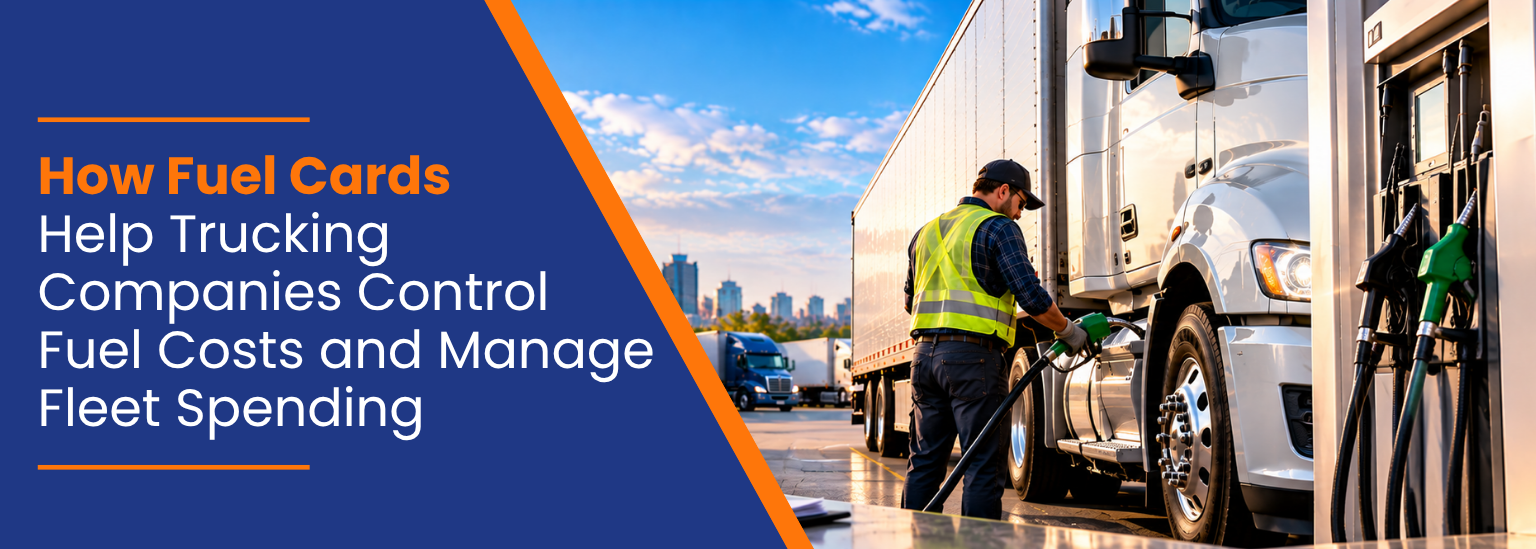
How Fuel Cards Help Trucking Companies Control Fuel Costs and Manage Fleet Spending
- September 30, 2026
- AVAAL Technology Solutions
Fuel is one of the largest and most unavoidable operating expenses for trucking companies. Whether you operate a single truck, a growing fleet, or a large transportation business with multiple drivers, keeping fuel spending under control can have a direct impact on profitability.
Traditional payment methods—cash, personal credit cards, reimbursements, and manually collected receipts—can make fuel expenses difficult to track. As a fleet grows, these challenges become even more complicated.
This is where fuel cards for trucking companies can make a difference.
A modern fleet fuel card gives trucking businesses a centralized way to pay for fuel, monitor transactions, control driver spending, and simplify fuel-related accounting. When combined with fleet management and accounting technology, fuel card data can also provide valuable insight into how a fleet is spending money on the road.
What Is a Fuel Card for Trucking Companies?
A trucking fuel card is a payment card specifically designed for businesses that purchase fuel for commercial vehicles.
Instead of drivers paying out of pocket or using a general-purpose company credit card, each authorized driver can use an assigned fuel card when purchasing fuel. Transactions can then be tracked and reviewed by fleet managers or business owners.
Depending on the fuel card program, businesses may be able to:
- Monitor fuel purchases by driver or vehicle
- Set spending limits
- Control when and where cards can be used
- Restrict purchases by product type
- Review fuel transactions online
- Track fuel expenses more efficiently
- Access negotiated fuel discounts
- Identify unusual or unauthorized transactions
- Simplify fuel-related reporting and reconciliation
For trucking companies, this creates greater visibility into one of the most important operating expenses: fuel.
Why Fuel Management Becomes More Difficult as Your Fleet Grows
Managing fuel for one truck can be relatively straightforward. Managing fuel for 10, 50, 100, or more trucks is a different challenge.
As fleet size increases, businesses have more drivers, more transactions, more routes, and more opportunities for errors or unauthorized purchases.
A fleet manager may need to answer questions such as:
- How much fuel did each truck purchase this week?
- Which drivers are spending above the expected amount?
- Where are drivers fueling?
- Are fuel purchases consistent with vehicle activity?
- Are drivers using approved fuel locations?
- How much is the fleet spending per gallon?
- Are fuel receipts missing?
- Can fuel transactions be reconciled quickly for accounting and tax reporting?
Without a centralized system, answering these questions can require spreadsheets, receipts, emails, multiple portals, and hours of manual work.
A fuel card can help bring this information into a more organized workflow.
7 Benefits of Using a Fleet Fuel Card
1. Better Control Over Fuel Spending
One of the biggest advantages of a fleet fuel card is the ability to establish spending rules.
Instead of giving every driver unrestricted access to a company payment method, fleet managers can establish controls based on their business requirements.
For example, companies may be able to set limits based on:
- Time of day
- Day of the week
- Driver
- Card
- Location
- Product type
These controls can help reduce unnecessary purchases and make it easier for managers to enforce company fuel policies.
AVAAL fuel cards provide spending controls that can be configured by amount, time, day, product, and employee, helping trucking businesses establish stronger fuel-spending policies.
2. Easier Fuel Expense Tracking
Fuel expenses can quickly become difficult to organize when drivers submit paper receipts or use different payment methods.
A centralized fuel card program provides transaction data that can be reviewed by the business.
Instead of manually entering every fuel purchase into a spreadsheet, managers can access transaction information and use it for expense tracking and reconciliation.
This can reduce administrative work while giving business owners a clearer picture of fleet fuel costs.
3. Improved Protection Against Unauthorized Spending
Fuel is a common target for misuse because fuel purchases happen across numerous locations and involve many drivers.
A fuel card can introduce another layer of control.
Driver identification, PIN authorization, spending limits, transaction monitoring, and purchase restrictions can make it more difficult for unauthorized users to make purchases.
AVAAL’s fuel-card program includes driver identification and spending controls designed to help businesses monitor transactions by employee, location, and time.
The goal isn’t simply to prevent fraud after it happens. The better approach is to establish controls that make suspicious activity easier to identify and address.
4. Access to Fuel Discounts
Small differences in fuel prices can add up quickly when a truck travels thousands of miles.
For example, a fleet purchasing tens of thousands of gallons annually can see a meaningful financial difference from even a modest discount per gallon.
Fuel card programs may provide access to negotiated discounts or fuel networks that help businesses reduce their effective fuel cost.
AVAAL currently promotes pre-negotiated fuel discounts across its fuel-card network and states that its cards can be used at a large network of fuel locations across the U.S. and Canada.
For fleet owners, the important consideration is not simply the advertised discount. Businesses should evaluate the overall value of the program, including network availability, transaction costs, controls, reporting, and ease of use.
5. Less Manual Administrative Work
Fuel receipts create paperwork.
Drivers have to collect them. Managers have to organize them. Accounting teams have to enter and reconcile them.
A centralized fuel card can reduce some of this manual work by creating digital transaction records.
AVAAL’s fuel-card solution includes automatic fuel accounting and expense tracking, as well as online access to card activity, invoices, and reports.
For a growing trucking company, reducing repetitive administrative tasks can free up employees to focus on dispatch, customers, compliance, and other higher-value activities.
6. Better Visibility Into Fleet Fuel Spending
Fuel spending isn’t just an accounting issue. It can also provide insight into fleet operations.
When businesses can review fuel purchases by driver, vehicle, location, and time period, they can identify patterns that deserve attention.
For example, a fleet manager may notice:
- A vehicle consistently purchasing more fuel than expected
- Unusual fueling times
- Spending at unexpected locations
- Drivers consistently choosing higher-cost fueling locations
- Changes in fuel spending after a route or operational change
This information can help management make better decisions about fuel policies and fleet operations.
7. Easier Integration With Fleet and Accounting Systems
Fuel management becomes even more useful when fuel transaction data can work alongside other transportation data.
A modern trucking operation may already use systems for:
- Dispatch
- Accounting
- ELD and telematics
- GPS tracking
- Driver management
- IFTA reporting
- Load management
- Invoicing
Connecting fuel information with these systems can reduce duplicate data entry and give managers a more complete view of operations.
AVAAL’s Freight Management solution supports fuel-card integration and connects with other transportation technology, including ELD, GPS, accounting, and related systems.
Fuel Cards and IFTA Reporting
For many trucking companies operating across multiple jurisdictions, fuel tax reporting is an important administrative responsibility.
IFTA reporting requires accurate information about fuel purchases and miles traveled in different jurisdictions.
Maintaining organized fuel transaction records can make the process easier for accounting and operations teams.
A fuel card does not eliminate a carrier’s responsibility to maintain accurate records, but centralized transaction data can provide an important source of information for reconciliation and reporting.
AVAAL’s freight-management platform includes IFTA reporting capabilities and fuel-card integration, allowing businesses to bring fuel-related information into their broader transportation workflow.
What Should You Look for in a Trucking Fuel Card?
Not every fuel card program is the same. Before selecting a fleet fuel card, trucking companies should consider more than the advertised discount.
Fuel Network
Make sure the card works at locations that are practical for your routes.
A discount isn’t useful if drivers frequently have to leave their routes to find an accepted fueling location.
Fuel Discounts
Compare the actual savings available to your fleet based on your routes and fuel volume.
Look at the effective cost after discounts, transaction fees, and any account charges.
Spending Controls
Look for controls that allow you to establish appropriate limits for different drivers, vehicles, and business needs.
Security
Consider features such as driver identification, PIN authorization, transaction monitoring, alerts, and purchase restrictions.
Reporting
The fuel card should provide useful transaction information rather than simply acting as a payment method.
Good reporting can help businesses understand where, when, and how fuel money is being spent.
Accounting Integration
If your company already uses transportation management or accounting software, integration can reduce duplicate data entry and make reconciliation easier.
Mobile Access
Fleet managers and drivers spend much of their time away from an office. Mobile access can make it easier to monitor transactions, locate fueling options, and manage accounts while on the road.
Fuel Card vs. Traditional Company Credit Card
A general-purpose business credit card can pay for fuel, but it may not provide the specialized controls and reporting that a trucking company needs.
| Feature | Traditional Business Card | Trucking Fuel Card |
| Fuel purchases | Yes | Yes |
| Driver-specific controls | Limited | Often available |
| Fuel-specific reporting | Limited | Designed for fuel spending |
| Spending restrictions | General | Fuel-focused controls |
| Fuel discounts | May vary | Often available |
| Driver identification | May vary | Common feature |
| Fleet fuel visibility | Limited | Designed for fleet use |
| Transportation-system integration | Varies | Available with some programs |
The right choice depends on fleet size, routes, fuel volume, accounting processes, and operational requirements.
How to Get More Value From Your Fuel Card
Simply issuing fuel cards to drivers doesn’t automatically reduce fuel costs.
To get the most value, fleet managers should establish clear policies and regularly review the data.
Create a Fuel Policy
Define what drivers can purchase, where they can purchase it, and what limits apply.
Assign Cards Correctly
Link cards to specific drivers, vehicles, or business units where appropriate.
Monitor Transactions Regularly
Don’t wait until the end of the month to identify unusual activity. Regular monitoring can help management respond more quickly.
Review Fuel Cost Per Mile
Looking only at total fuel spending doesn’t tell the whole story.
Compare fuel expenses with mileage and vehicle activity to identify changes in operating efficiency.
Review Fuel Locations
Analyze where drivers are purchasing fuel and whether alternative locations could provide better pricing without disrupting routes.
Connect Fuel Data With Your Other Systems
Fuel information becomes more useful when it can be reviewed alongside dispatch, mileage, accounting, and fleet data.
How AVAAL Helps Trucking Companies Manage Fuel and Fleet Operations
AVAAL provides transportation businesses with tools and services designed around the needs of trucking and logistics operations.
Its fuel-card solution combines fuel savings with spending controls, transaction monitoring, reporting, and account management. AVAAL also provides freight-management technology that can connect fuel-card information with broader transportation workflows.
For businesses looking to reduce fuel costs while gaining better visibility into fleet spending, a dedicated trucking fuel card can be an important part of a broader fleet-management strategy.
Final Thoughts
Fuel is one of the largest recurring expenses for trucking companies, which means even small improvements in fuel management can have a meaningful impact on the bottom line.
The right fuel card for trucking companies can do more than provide a convenient way for drivers to pay for fuel. It can help businesses establish spending controls, monitor transactions, access fuel discounts, reduce administrative work, and gain greater visibility into fleet expenses.
As your fleet grows, having a structured fuel-management process becomes increasingly important.
Instead of relying on receipts, reimbursements, and disconnected payment methods, consider a fuel-card solution designed specifically for trucking operations.
Ready to take better control of your fleet’s fuel expenses? Explore AVAAL Fuel Cards and discover how smarter fuel management can help your trucking business save money and operate more efficiently.
Frequently Asked Questions About Fuel Cards for Trucking Companies
What is a fuel card for trucking companies?
A fuel card is a payment card designed specifically for businesses that purchase fuel for commercial vehicles. It allows trucking companies to manage driver fuel purchases, set spending controls, monitor transactions, access potential fuel discounts, and simplify fuel expense tracking.
How do fuel cards help trucking companies save money?
Fuel cards can help reduce fuel expenses through negotiated discounts, access to fuel networks, and better control over where and how drivers purchase fuel. By monitoring fuel transactions and identifying unnecessary spending, fleet managers can also find additional opportunities to reduce costs.
Are fuel cards useful for small trucking companies?
Yes. Fuel cards can benefit both small and large trucking companies. Even an owner-operator or small fleet can use a fuel card to organize fuel expenses, access available discounts, track purchases, and separate business fuel spending from other expenses.
Can trucking companies set spending limits on fuel cards?
Many fleet fuel card programs allow businesses to establish spending controls. Depending on the provider, companies may be able to set limits based on factors such as dollar amount, time, day, product type, location, driver, or vehicle.
Can fuel cards help prevent unauthorized fuel purchases?
Yes. Fuel cards can provide additional security through features such as driver identification, PINs, spending limits, purchase restrictions, and transaction monitoring. These controls can make unauthorized purchases easier to prevent and identify.

- August 24, 2026
- August 21, 2026

- December 15, 2025


- December 19, 2024


- May 10, 2024
