


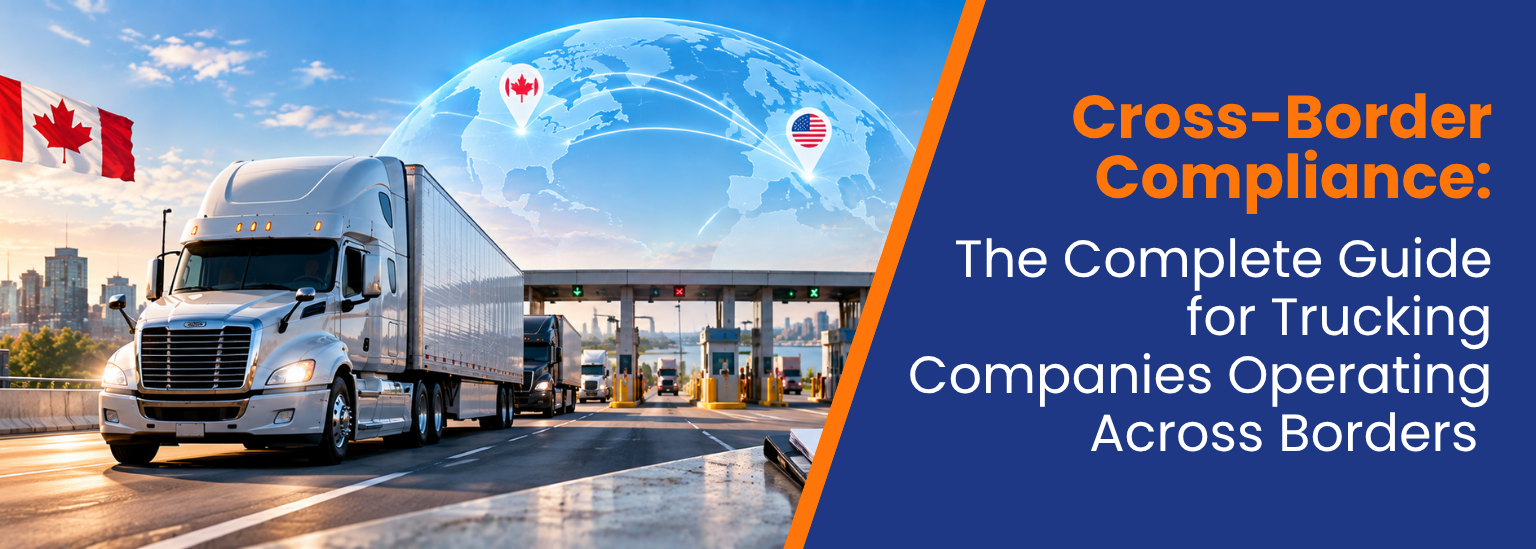
Cross-Border Compliance: The Complete Guide for Trucking Companies Operating Across Borders
- September 24, 2026
- AVAAL Technology Solutions
A shipment that crosses from Canada into the United States or travels through multiple jurisdictions must meet strict documentation, security, customs, and reporting requirements. Even a small mistake in paperwork, shipment details, or electronic filings can result in inspections, delays, penalties, and increased operating costs.
For modern carriers, cross-border compliance is no longer just a regulatory requirement. It has become a critical part of maintaining delivery reliability, customer trust, and business growth.
This guide explains what cross-border compliance means for trucking companies, the common challenges carriers face, and how technology can simplify compliance management.
What Is Cross-Border Compliance?
Cross-border compliance refers to the processes and requirements businesses follow when transporting goods between different countries or regions.
For trucking companies, this includes ensuring that:
- Shipment information is accurate
- Required customs documents are completed
- Electronic filings are submitted correctly
- Driver and carrier information is up to date
- Freight meets government security and reporting requirements
When carriers operate internationally, compliance requirements often involve multiple agencies, systems, and regulations. Managing these requirements manually increases the chance of errors.
Why Cross-Border Compliance Matters for Trucking Companies
Cross-border transportation involves more than simply driving freight from one location to another.
Carriers must coordinate:
- Customs documentation
- Electronic manifest submissions
- Import and export requirements
- Carrier identification information
- Shipment classification
- Border security programs
A compliance failure can lead to:
1. Border Delays
Incorrect or incomplete shipment information can slow down clearance and impact delivery schedules.
2. Financial Losses
Delays, penalties, rejected filings, and additional administrative work increase operating expenses.
3. Customer Impact
Shippers depend on carriers that can provide predictable delivery timelines. Compliance problems can affect customer relationships.
4. Operational Disruptions
Drivers, dispatch teams, and compliance departments may spend valuable time correcting avoidable documentation issues.
Common Cross-Border Compliance Challenges for Carriers
Managing Different Regulatory Requirements
Every country has its own transportation and customs requirements. Carriers operating internationally must understand the rules that apply to each route, shipment type, and border crossing.
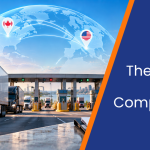
For example, companies transporting freight between Canada and the United States must follow requirements established by customs and transportation authorities in both countries.
Maintaining Accurate Shipment Information
One of the biggest compliance risks is inaccurate data.
Common errors include:
- Incorrect shipment details
- Missing consignee information
- Wrong classification details
- Incorrect carrier information
- Outdated company records
Accurate information is essential because border agencies rely on submitted data to assess shipments before arrival.
Handling Electronic Filing Requirements
Many border processes now depend on electronic submissions.
For trucking companies, electronic manifest systems help authorities receive shipment information before trucks arrive at the border.
However, carriers must ensure:
- Data is entered correctly
- Submissions are completed on time
- Confirmation records are maintained
Keeping Drivers and Operations Teams Updated
Compliance is not only a technology issue. People play a major role.
Drivers and dispatch teams should understand:
- Required documents
- Border procedures
- Recordkeeping expectations
- Changes in compliance requirements
A strong compliance culture reduces mistakes before they happen.
How Technology Helps Simplify Cross-Border Compliance
Manual compliance management can become difficult as trucking operations grow.
Digital compliance solutions help carriers:
Automate Documentation Processes
Technology reduces repetitive administrative tasks by helping carriers organize and submit required information efficiently.
Improve Data Accuracy
Automated systems reduce manual entry errors and create consistent records.
Track Compliance Information
Centralized platforms allow companies to manage important documentation and compliance records in one place.
Improve Border Efficiency
Accurate electronic submissions help reduce unnecessary delays during border processing.
The Role of eManifest in Cross-Border Trucking Compliance
For carriers moving freight between Canada and the United States, electronic manifest filing is a critical compliance responsibility.
An eManifest provides advance shipment information to border authorities before goods arrive.
A reliable eManifest process helps carriers:
- Submit required shipment information electronically
- Reduce paperwork challenges
- Improve shipment visibility
- Support smoother border processing
AVAAL’s eManifest solution helps trucking companies manage electronic filing requirements while simplifying cross-border operations.
Best Practices for Maintaining Cross-Border Compliance
1. Create a Compliance Checklist
Every carrier should maintain a checklist covering:
- Required documents
- Filing deadlines
- Driver requirements
- Shipment verification steps
2. Keep Company Information Updated
Outdated carrier information can create unnecessary compliance issues.
Regularly review:
- Carrier profiles
- Registration information
- Contact details
- Regulatory documentation
3. Train Employees Regularly
Compliance requirements can change. Regular training ensures employees understand current processes.
4. Use Compliance Technology
Digital tools help reduce administrative workload and improve accuracy.
For growing carriers, compliance software can become an important operational advantage.
How AVAAL Helps Trucking Companies Manage Compliance
AVAAL provides technology solutions designed for transportation companies looking to simplify operations and improve compliance management.
From electronic documentation to fleet management solutions, AVAAL helps carriers reduce paperwork, improve efficiency, and manage transportation processes more effectively.
With software designed specifically for trucking businesses, companies can spend less time managing administrative tasks and more time moving freight.
Conclusion
Cross-border compliance is becoming increasingly important for trucking companies operating in international markets.
Successful carriers understand that compliance is not just about avoiding penalties—it is about creating reliable operations, improving customer service, and building long-term business growth.
By combining accurate processes with modern technology solutions like eManifest software, trucking companies can simplify border requirements and keep freight moving efficiently.
Frequently Asked Questions (AEO Section)
What is cross-border compliance in trucking?
Cross-border compliance in trucking means following all documentation, customs, security, and reporting requirements when transporting goods between countries.
Why is eManifest important for trucking companies?
eManifest allows carriers to submit shipment information electronically before arriving at the border, helping support faster and more organized border processing.
What happens if a trucking company does not meet cross-border compliance requirements?
Non-compliance may result in shipment delays, additional inspections, penalties, administrative costs, and disruptions to operations.
How can trucking companies improve cross-border compliance?
Companies can improve compliance by maintaining accurate records, training employees, using digital tools, and following standardized compliance processes
- August 24, 2026
- August 21, 2026

- December 15, 2025


- December 19, 2024


- May 10, 2024
