




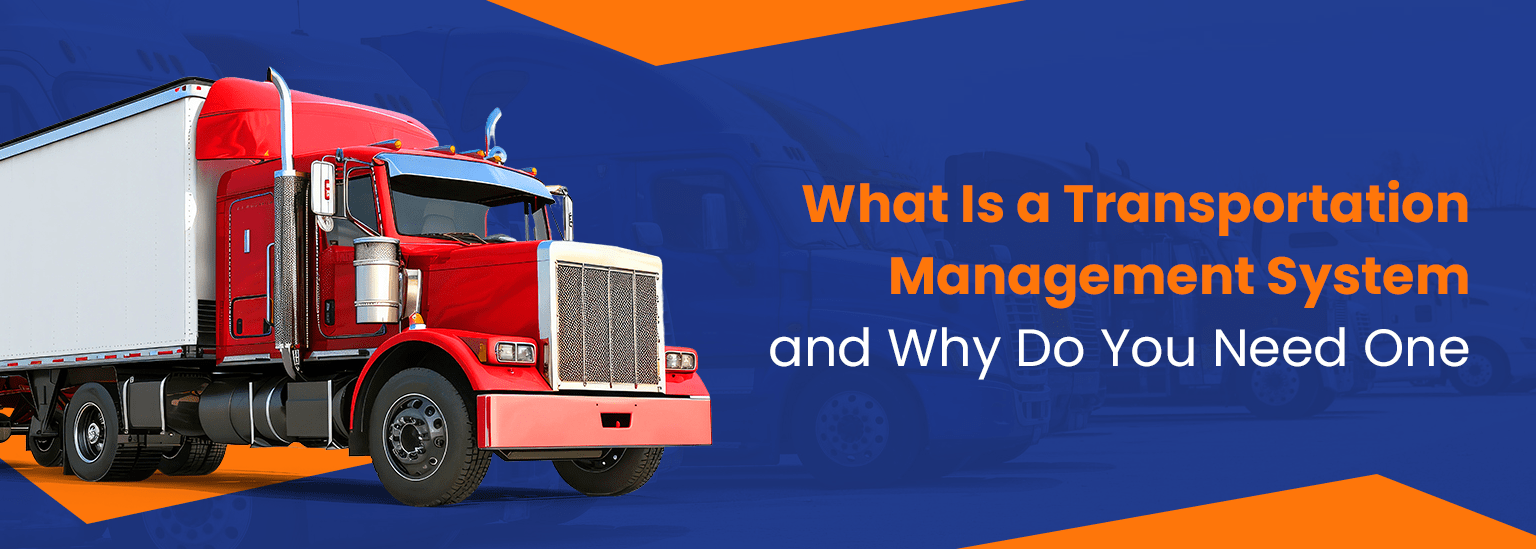
What Is a Transportation Management System and Why Do You Need One
- February 17, 2026
- Lightspeedweb
In today’s logistics landscape, managing transportation efficiently isn’t just an operational necessity — it’s a competitive advantage. A Transportation Management System (TMS) plays a central role in modern supply chains, acting as the technological core that guides complex freight and fleet operations from planning through execution and analysis. Simply put, a TMS is the software backbone that helps companies optimize how goods move, reduce costs, and ensure reliable delivery performance.
Our AFM Suite is an all‑in‑one cloud‑based transportation management solution that empowers carriers, freight brokers, and freight forwarders to run smarter, data‑driven logistics operations. In this article, we explore what a TMS does, the benefits it delivers, and how it helps businesses of all sizes stay ahead in fast‑moving markets.
Understanding Transportation Management Systems
A Transportation Management System is a software platform designed to handle the complete lifecycle of transportation operations — from planning and routing to execution and performance measurement. Unlike standalone spreadsheets or disconnected tools, a TMS integrates freight and fleet functions, bringing together operational data, transactional workflows, and analytical insights in one place.
Modern TMS platforms serve as the digital command center for logistics teams, enabling them to:
- Plan and optimize routes for cost and efficiency
- Automate manual tasks such as order creation, billing, and documentation
- Track shipments and assets in real time
- Make informed decisions using advanced analytics and KPIs
- Monitor carrier performance and compliance
This centralization of transportation activities eliminates silos, accelerates decision‑making, and ultimately helps companies meet customer expectations with predictable service quality.
Also Read – How Freight Management Software Can Revolutionize Your Supply Chain Efficiency
Core Functionalities of a TMS
While capabilities vary by vendor and industry, most powerful Transportation Management Systems offer the following core features:
1. Transportation Planning & Optimization
At its heart, a TMS evaluates freight orders and generates efficient routing strategies based on cost, delivery windows, vehicle capacity, and service requirements. It also compares carrier rates, helping businesses identify the most cost‑effective or fastest routes. This level of planning not only minimizes fuel and labor costs but also supports smarter allocation of resources.
2. Execution & Carrier Management
Once a transportation plan is set, the TMS automates execution tasks such as carrier tendering, load assignment, and document generation. For fleet‑based operations, it handles dispatching and driver management; for freight brokers or shippers, it facilitates carrier selection, contract adherence, and LTL or FTL optimization. By centralizing these tasks, companies can reduce manual coordination and eliminate paperwork bottlenecks.
3. Real‑Time Tracking & Visibility
Real‑time shipment tracking is one of the most transformative aspects of a modern TMS. Integrated GPS, telematics, and ELD data let users monitor the exact location and status of freight at every stage of transit. This visibility enables proactive issue resolution, improved customer updates, and fewer delays — translating into stronger operational control and better service to clients.
4. Freight Audit & Payment Automation
Transportation involves complex invoicing and auditing processes. A TMS automates freight bill auditing, matching actual services to contracted rates to prevent overcharges or billing errors. It also streamlines payment processing and settlement, reducing administrative overhead and improving relationships with carriers.
5. Reporting & Analytics
A TMS collects data from every step of the transportation process and turns it into actionable insights. Comprehensive dashboards and customizable reports let logistics managers monitor KPIs such as on‑time performance, cost per mile, carrier performance, and more. With the right analytics, teams can not only track performance but also identify trends, predict demand, and make strategic improvements.
Why Transportation Management Software Matters Today
Transportation is one of the variable costs in supply chain operations. According to industry analysts, companies that leverage a TMS can see significant improvements in cost efficiency, customer service, and operational agility. Here are some of the key benefits businesses experience with an effective Transportation Management System:
1. Reduce Transportation Costs
Cost savings are often the first measurable benefit organizations see after adopting a TMS. By optimizing routes, choosing cost‑effective carriers, reducing empty miles, and automating freight audits, companies can reduce fuel and administrative costs while improving overall profitability.
2. Streamline Operations & Reduce Manual Work
Manual processes such as phone calls, spreadsheets, and paperwork not only slow operations but also introduce errors. A TMS replaces these fragmented workflows with automated processes, reducing human error and freeing staff to focus on strategic tasks rather than routine data entry.
3. Improve Customer Service & Delivery Accuracy
A TMS enhances customer service by providing reliable delivery dates, real‑time shipment visibility, and faster response times to disruptions. Accurate tracking and proactive notifications lead to higher customer satisfaction and stronger retention.
4. Gain Actionable Insights Through Analytics
The data produced by a TMS becomes a powerful asset. Advanced reporting helps logistics leaders identify areas for improvement, such as underperforming routes, inefficient carriers, or seasonal cost trends. These insights enable better decisions that improve productivity and service quality over time.
5. Scale with Business Growth
As companies expand into new markets or increase shipment volumes, a TMS scales with them. Cloud‑based solutions offer flexible deployment, seamless integration with other systems, and the capacity to support expanding transportation networks without a major increase in complexity.
Also Read: How Freight Management Software Transforms Logistics
AFM Suite: Transportation Management
Avaal Freight Management (AFM) is designed for carriers, freight brokers, and freight forwarders who want a holistic, cloud‑native transportation management platform. Unlike standalone tools that address only one part of the logistics lifecycle, AFM covers the entire freight process — from dispatch through settlement and reporting — in a single integrated system.
With AFM, users benefit from:
- Centralized freight and fleet management
- Real‑time load tracking and documentation
- Automated billing, accounting, and settlements
- Customizable analytics and performance reporting
- Mobile and web access for anytime, anywhere management
AFM also integrates with complementary systems and services, giving businesses flexibility and extensibility as their needs evolve.
Final Thoughts
A Transportation Management System is a necessity for companies that want to remain competitive in a world where efficiency, visibility, and customer satisfaction define success. A robust TMS helps transportation professionals reduce costs, streamline operations, and unlock the full potential of their logistics networks.
By bringing together planning, execution, tracking, and analytics in a single platform, a modern TMS transforms transportation from a cost center into a strategic advantage.
Ready to take control of your freight operations? With Avaal Freight Management, you get smarter routing, real-time tracking, data-driven optimization, and tailored support that drives efficiency and reduces costs across your supply chain. Contact us now to request a demo or speak with a freight management specialist!




- April 21, 2026

- May 5, 2026

- December 15, 2025


- December 19, 2024


